
Breaking the Stalemate
2022–2023 · Enterprise SaaS · Financial Operations · Oracle
Shipped Oracle's first Redwood mobile experience after a 3-year design impasse
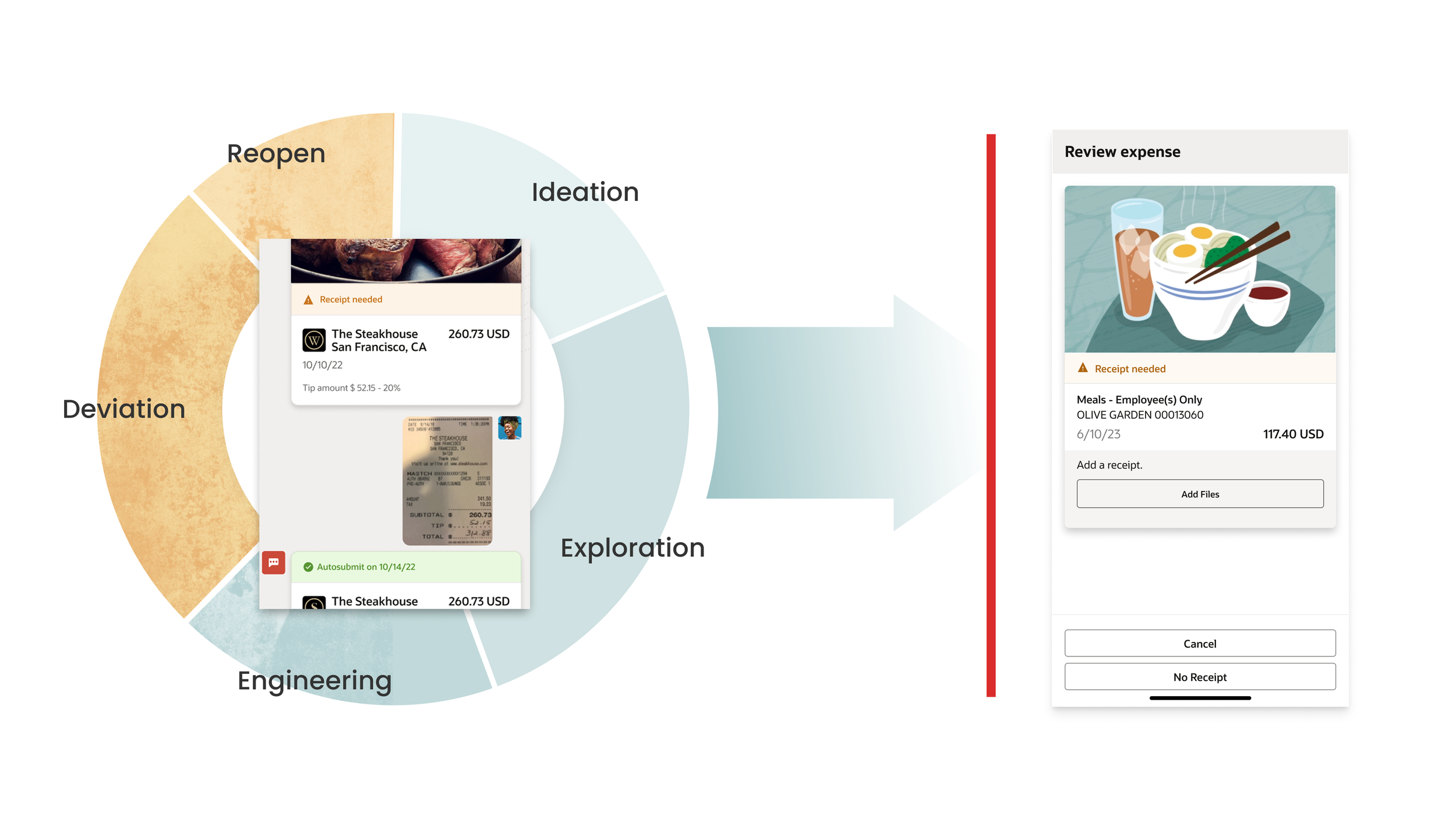
The loop I broke
I established the decision framework that reset this product's direction—auditing design-system constraints, evaluating tradeoffs with engineering, and defining what to preserve, simplify, or cut so the product could ship.
Impact
✓ Shipped to first enterprise customers within 9 months
✓ Scaled from 26-user pilot to 450+ cardholders within 6 months
✓ First Redwood mobile product in production with integrated telemetry
✓ Rebuilt platform-product trust while delivering targeted innovation
The Problem
Three years. Five designers. Zero launches.
The product was caught between a platform team enforcing strict Redwood compliance and a product leader pursuing visionary concepts that might justify a native app—or at least push Redwood into mobile-native territory.
The PWA architecture was locked before I joined. The existing vision work wasn't buildable within it. And the team had a reputation for ignoring process.
I needed to figure out which parts of the vision were worth fighting for, which constraints were genuinely immovable, and what a path to production actually looked like when you stopped pretending otherwise.
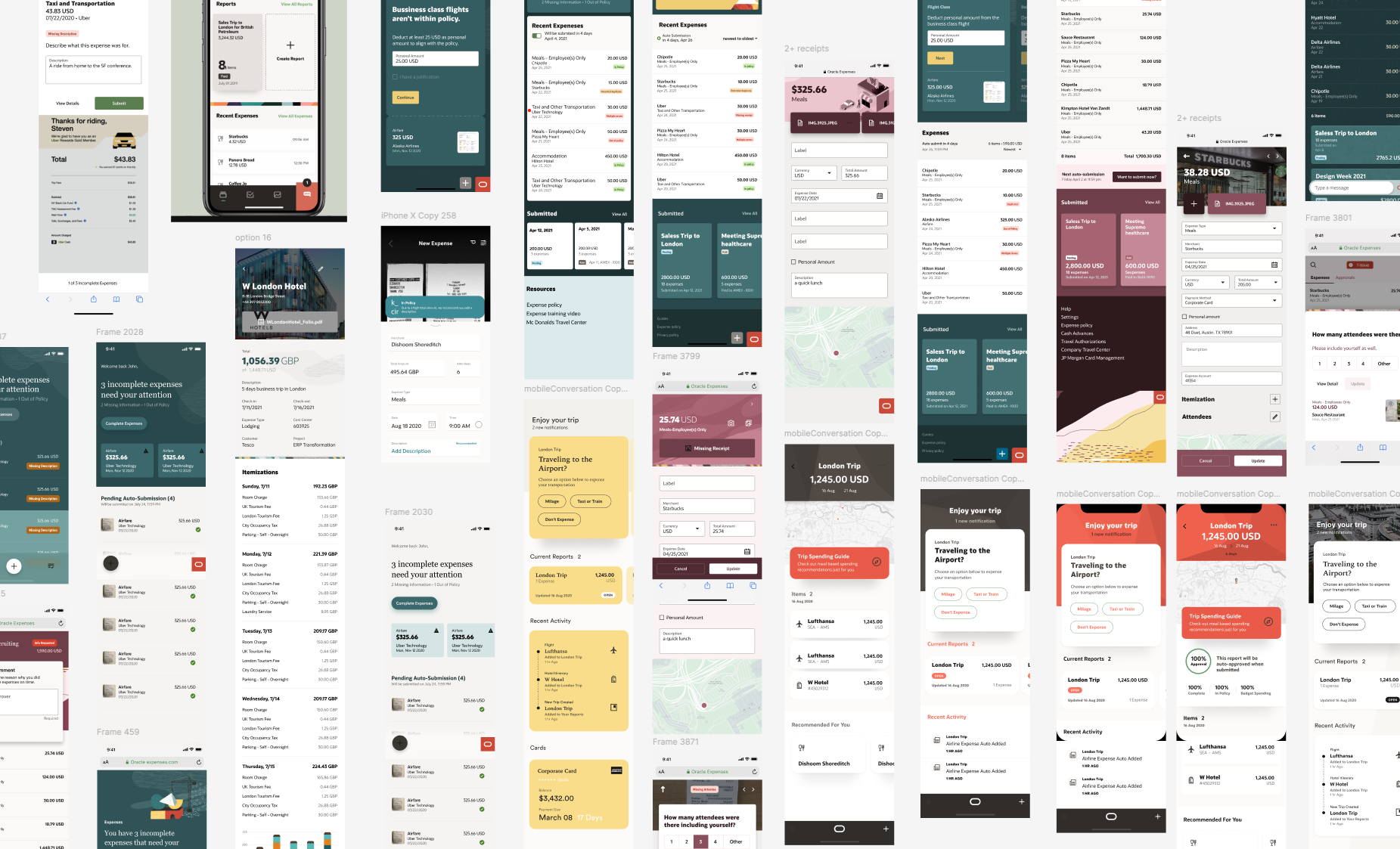
Three years of vision work. None of it shippable within platform constraints.
My Approach
Diagnosed
Mapped six non-compliant patterns across hundreds of instances to understand exactly where the real friction was.
Rebuilt
Restored cross-functional trust by demonstrating compliance and adopting the platform team’s own established process.
Negotiated
Identified ten innovations scoped for platform adoption. Showing the vision with real constraints was more persuasive than pure aspiration.
Delivered
Shipped the core touchless flow first. Delivery earned far more credibility than any vision decks of mocks.

The shipped product: compliant, functional, and the foundation for everything that followed.
The Outcome
What started as damage control became a model for how Redwood-compliant work could get done on this and all mobile projects. The team with a reputation for ignoring process ended up establishing a process others followed.
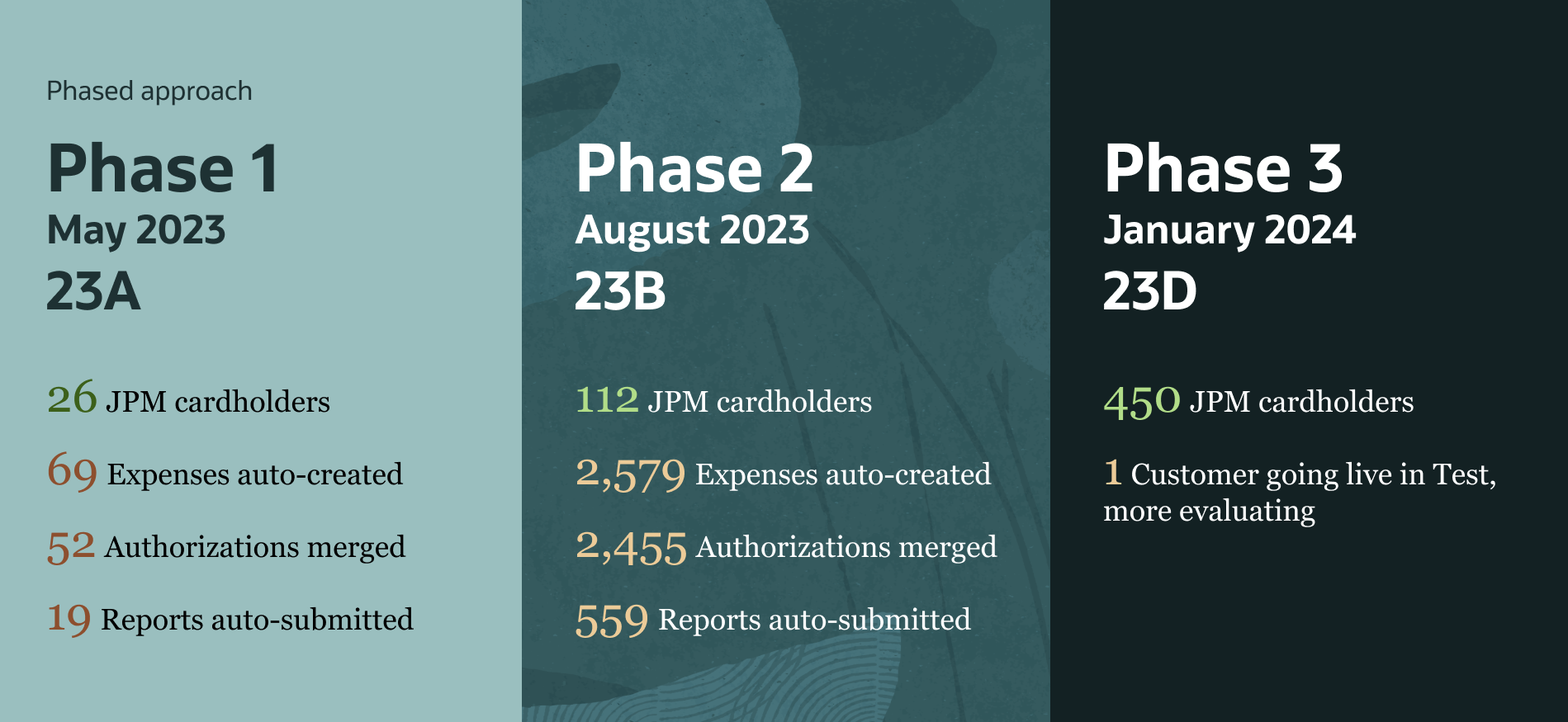
Phased rollout from pilot to 450+ cardholders within 6 months. First Redwood mobile product with integrated telemetry.