
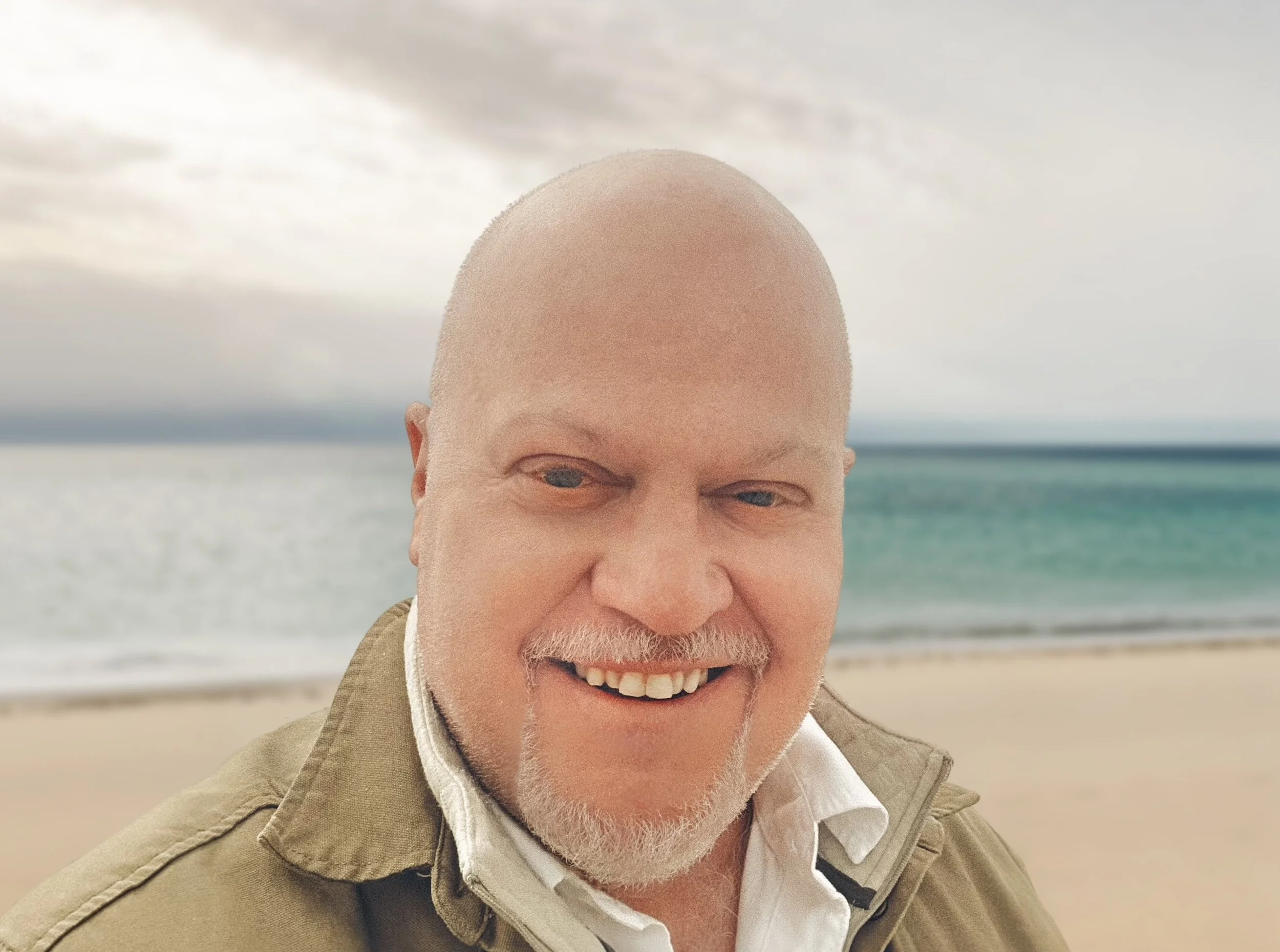
Christopher Kobar
I designed the calculator that tells a federal judge how many years to give someone.
I've been designing systems people have to trust since before "design systems" had a name, starting in federal courts, then enterprise finance, and now AI that acts without anyone watching.

↪ Selected work

Candor
I built an AI that gives designers the blunt truth about their work. No flattery.
Solo, one week, start to finish.

Oracle's First Agentic Expense Experience
Three teams tried before me. I designed for the distracted person at the gate instead of the policy document, and it shipped.
How vision and technical reality can coexist when communication happens and goals align.
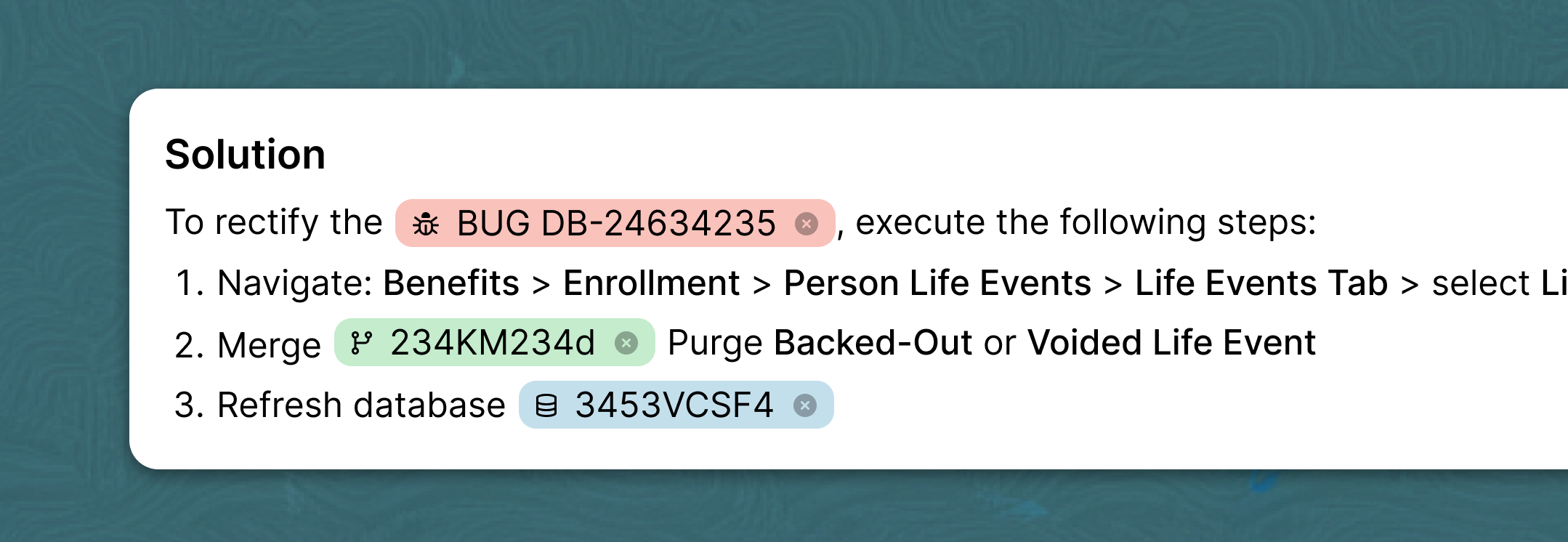
Unifying 5 Legacy Tools
A diagnostic workbench for engineers who can't afford to guess. Used by 2,000+ people across 14 countries.
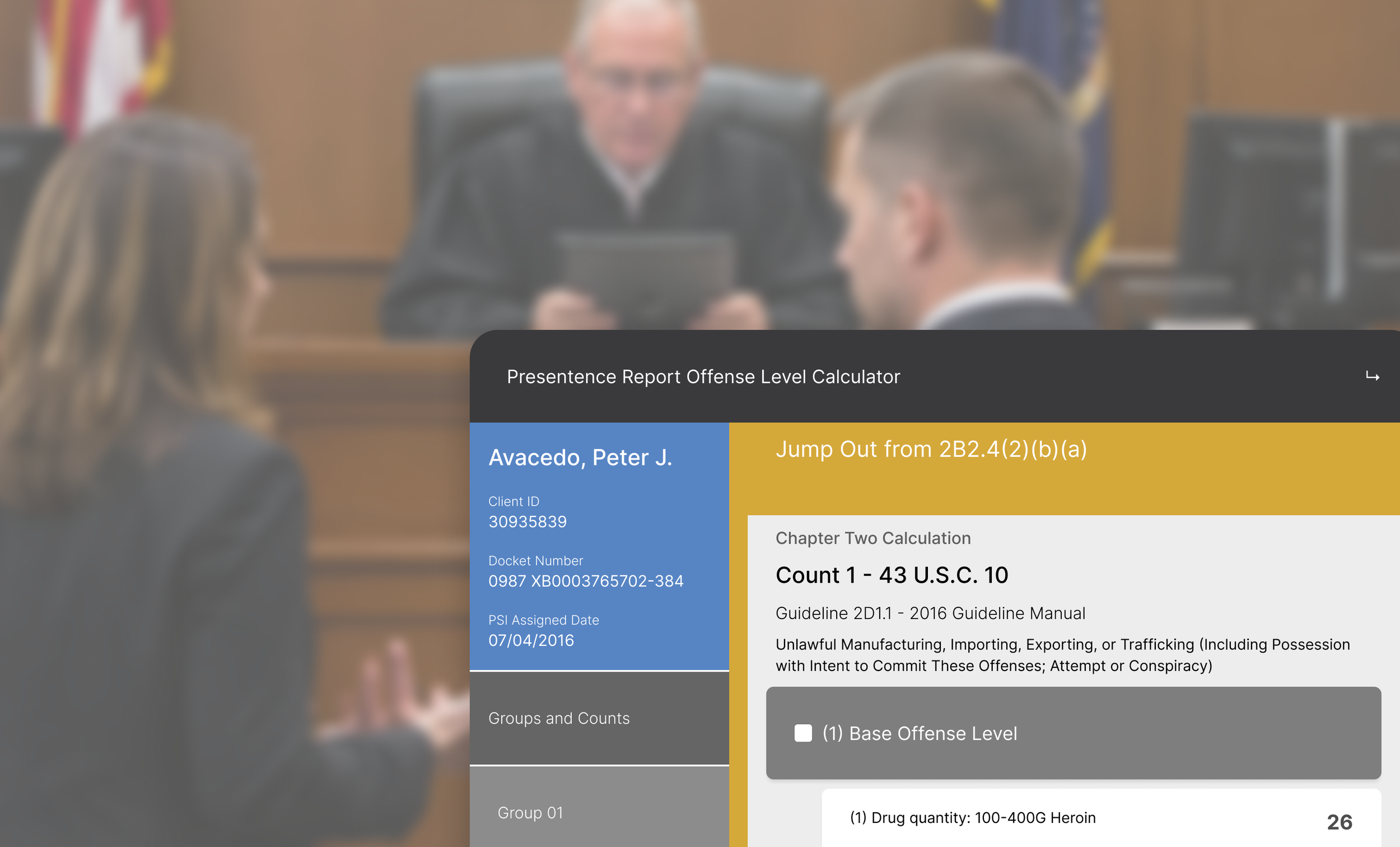
Justice By Design
Redesigning federal sentencing calculation for 94 U.S. districts, built for a room where a wrong number changes someone's life.
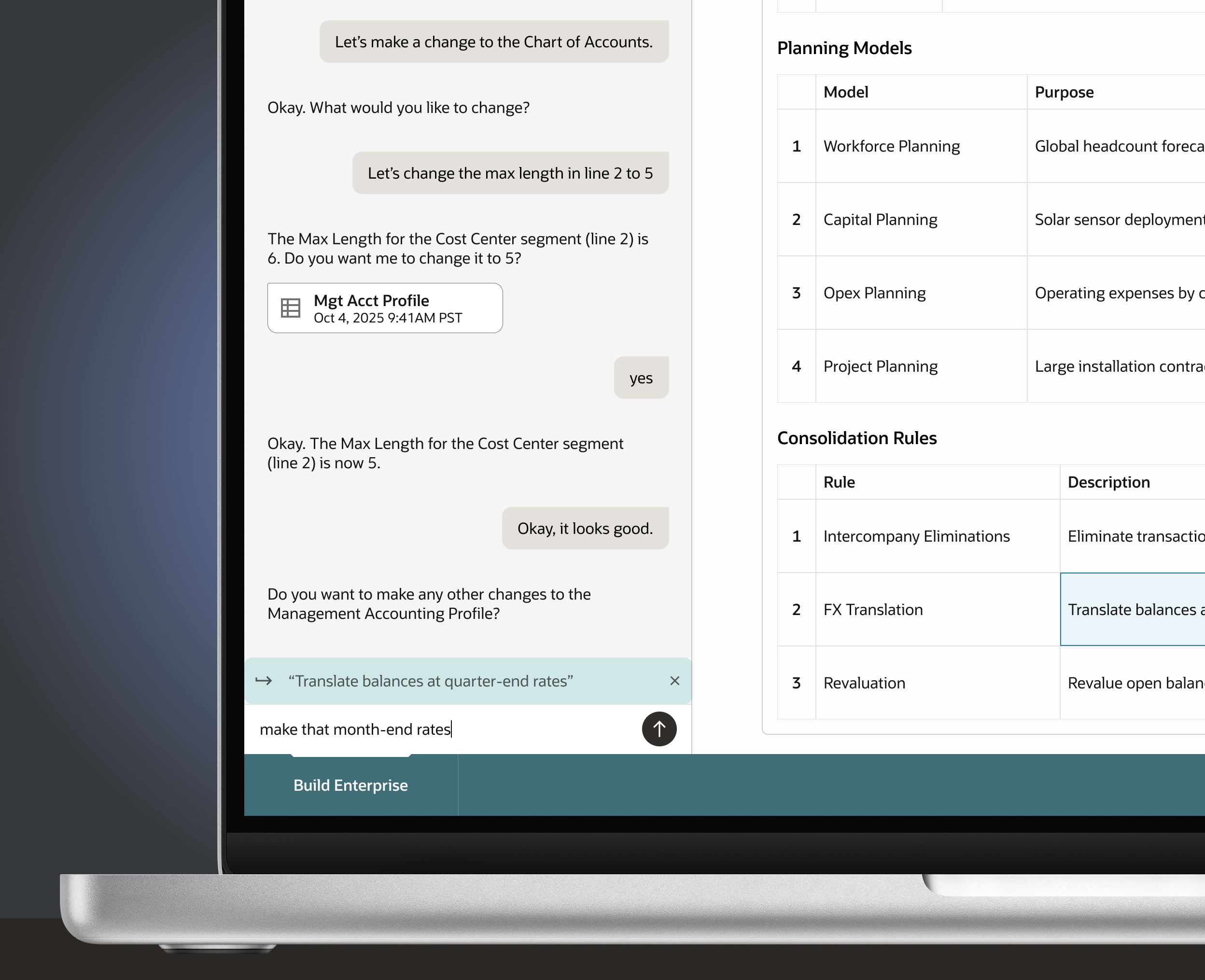
Designing the AI That Replaces the Consultant
I decided when the AI should act on its own during ERP implementation, and when it should stop and ask. Companies usually pay consultants for that judgment.
Now it's built into the product instead.
↪ My groove
⁂ Systems
Federal courts
2,000+ support engineers, 14 countries
AI systems that act on their own
⛰︎ Problems
Three-year stalemates
Five tools acting like one
Nobody agreeing what "done" means
✌︎ Culture
Design with engineers, not after
I'd rather be right than agreed with
No permission-seeking
↪ Vibe Coding Exploration
“Hey, Claude! Let’s make a Disney-like immersive mobile experience that brings the magic of a park visit to wherever you are.”
↪ On my mind
↪ How I work
I started as a designer who coded my own front-ends in a browser before anyone thought to separate the two. On all the products I’ve designed, that instinct shaped my thinking. I still consider whether a layout breathes, a transition earns its milliseconds, and if the structure underneath can hold what the surface promises.
I care about craft—the tiny details, the aesthetic—as much as I care about systems. I've never understood why the industry treats those as different jobs. A component that looks right but behaves wrong is a failure. A system that works but feels like a chore is also a failure. I want both. And people deserve both.
I design close to the metal, drawing and coding in the room where engineering is making the calls that will shape the experience whether design shows up or not. I've watched too many good designs die in the gap between the mockup and what actually got built, and I'd rather be in the room when that gap opens up.
What I've learned from federal courtrooms, enterprise AI systems, and products with no precedent to copy is that craft and judgment run on the same information. Knowing which details matter requires knowing what the system is trying to do, who it's for, and what happens when it's wrong. It can look slower up front. Most of the time it's what keeps you from building the wrong thing really well.
↪ Who I am
Before design, I worked everywhere from restaurants to Congress to a zoo. I served in the Navy Nuclear Power program. I've spent decades devising RPG systems, rules, worlds, and consequences. I published ten books. I dabble in weird fiction, podcasting. Sometimes I still play my guitar.
I've picked up some stories. I've been detained by the Syrian and Lebanese military. Had an awkward encounter with a U.S. president. Wiped out on a motorcycle at 95 mph. Busked in the NYC subway. Danced flamenco. Played a Secret Service agent in a Spielberg film. Saw a UFO. And got my piece of the Berlin Wall the old fashioned way. All true. Buy me a cider sometime.
I have a teen daughter, a Utah wife, and two cats who have never once been impressed. I studied philosophy at UConn — Phi Beta Kappa — and learned a few things at NYU, the Universität Mannheim, and the Connecticut School of Broadcasting. I've lived in ten states, but I'm back in Connecticut, a stone's throw from the submarine base where my tale began.